
Bali Prepres for the Year-End Cruise Tourism Season as Benoa Port Welcomes More International Visitors
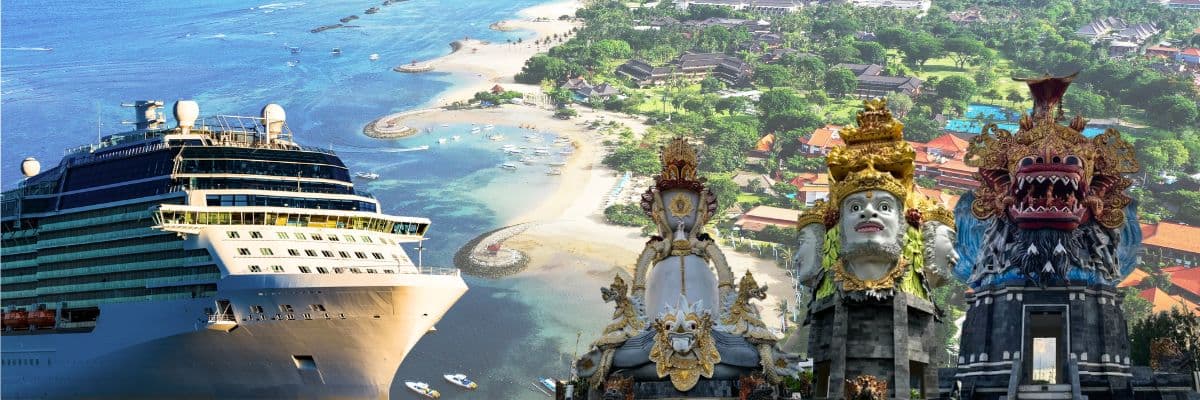
Bali Strengthens Its Position as a Cruise Tourism Destinations
Bali is preparing to welcome more international cruise
travelers as the year-end holiday season approaches. Pelindo’s Benoa branch has
begun strengthening its port services and passenger facilities to accommodate
the growing number of cruise ships expected to visit the island towards the end
of 2026.
The initiative is part of Bali’s broader ambition to
establish Benoa Port as a major maritime tourism gateway in Indonesia. With its
location in Denpasar and access to some of the island’s most popular attractions,
the port plays an important role in connecting international cruise passengers
with Bali’s tourism industry.
The preparations reflect Bali’s growing importance in the
international cruise market, as more cruise operators include the island in
their regional travel itineraries.
Royal
Princess Brings Thousands of Visitors to Benoa
One of the latest highlights came on November 13, 2026, when
the international cruise ship Royal Princess arrived at Benoa Port. The
Bermuda-flagged vessel docked at approximately 5:30 AM., carrying 3,441 passengers
and 1,297 crew members.
During their stop in Bali, passenger disembarked to enjoy
various tourism activities before the ship continued its journey to Darwin
Australia. The visit also marked the vessel’s first arrival at Benoa Port, adding
another milestone to Bali’s cruise tourism development.
The arrival demonstrated how cruise ship visits can
introduce international travelers to Bali, even when their stay on the island
is relatively short. Passengers can spend their time exploring local attractions,
enjoying Balinese cuisine, shopping for souvenirs or joining organized shore
excursions.
Improved Port Facilities to Accommodate Larger
Cruise Ships
To support the
increasing demand, Pelindo has upgraded facilities at Benoa Port. One of the
most significant improvements is the extension of the eastern cruise berth from
350 metres to 500 metres.
The extended
berth allows Benoa Port to accommodate two large cruise ships simultaneously, improving its capacity to handle
international vessels and passenger movements.
Pelindo is also
working with relevant authorities to improve passenger services, including
arrival terminal facilities, immigration procedures, foreign currency exchange
and tourism packages. These improvements are intended to make the arrival
process more convenient for international visitors.
The development
is aligned with the Bali Maritime Tourism Hub (BMTH) project, which aims to
strengthen Benoa's role as an international maritime tourism centre.
Cruise Tourism Continues to Grow in Bali
According to
Pelindo's records, Benoa Port welcomed 65 cruise ship calls in 2025, bringing
approximately 140,000 international tourists. This was an increase from 56
cruise ship visits in 2024, which recorded 107,717 foreign passenger movements.
The
outlook for 2026 also remains promising, with 76 cruise ships registered to make
scheduled stops at Benoa Port throughout the year. These
figures highlight the port's growing role in supporting Bali's international
tourism market.
Economic
Opportunities for Local Tourism Businesses
Cruise
tourism offers benefits that extend beyond port operations. When passengers
leave their ships to explore Bali, they create demand for transportation
services, tour guides, restaurants, shopping centres and local tourism
operators.
Destinations
around Denpasar, Sanur, Ubud and southern Bali can benefit from organised shore
excursions and short sightseeing trips. Local businesses also have
opportunities to introduce visitors to Balinese handicrafts, traditional food
and cultural experiences.
For Bali, the year-end cruise season is not only about welcoming
more ships, but also about ensuring that international visitors contribute to
the local economy.
As Benoa Port continues to improve its facilities and services, Bali is strengthening its position as one of Indonesia’s leading cruise tourism destinations. The challenge ahead will be to turn growing cruise traffic into meaningful experiences for visitors and sustainable opportunities for local communities.