
Bali Launches Electric Trans Sarbagita Buses on November 9 to Promote Greener Public Transport
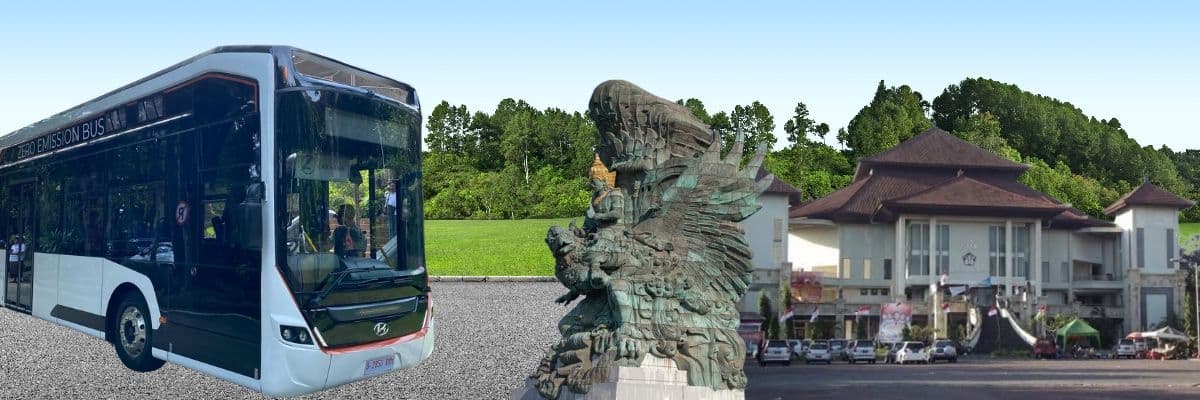
A New Chapter for Public Transportation in Bali
Bali has taken another step towards more sustainable
mobility with the launch of its electric Trans Sarbagita bus service on Monday,
November 9, 2026. The Bali Provincial Government has introduced the new fleet
to provide a cleaner and more comfortable public transportation option for
residents and visitors travelling across parts of the island.
The service operates along Corridor I, connecting GOR
Ngurah Rai in Denpasar with Garuda Wisnu Kencana (GWK) in Jimbaran, South Kuta.
The Launch was officially marked by Bali Governor Wayan Koster at the GOR
Ngurah Rai area in Denpasar.
Free
Rides to Encourage Public Transport Use
One of the most attractive features of the new services is
its free-fare policy. Governor Wayan Koster announced that passengers would be able
to use the electric buses without paying a fare for at least one year, with the
operating coast temporarily covered by the Bali Provincial Government.
The initiative is
designed to encourage more people to leave their private vehicles at home and
consider public transportation for everyday journeys. It also gives visitors an
opportunity to explore parts of Bali using a more environmentally friendly
transport option.
The service
promotes three key principles: zero emissions, zero noise and zero rupiah for
passengers. Although the
rides are free, passengers are still required to tap an electronic money card
when boarding. This system allows the transport authority to monitor passenger
numbers and evaluate demand. Passengers without an e-money card can ask for
assistance from staff on board.
Route Connects Denpasar with the GWK Tourist
Area
The electric
buses follow the general route of the existing Trans Sarbagita Corridor I,
although several adjustments have been made to the journey. From GOR Ngurah
Rai, buses travel along Jalan Melati and Jalan Hayam Wuruk before reaching the
Renon roundabout. They then pass through Jalan Raya Puputan and Jalan Sudirman
before continuing along the regular Trans Sarbagita route towards GWK.
For the return
journey from GWK to GOR Ngurah Rai, buses take a slightly different route
through Jalan Cok Agung Tresna, Jalan Moh. Yamin, Jalan Puputan, Jalan Hayam
Wuruk, Jalan Kamboja, Jalan Angsoka and Jalan Melati, before reaching Jalan
Pattimura.
Passengers can board and leave the buses at designated stops along the
route. Travellers are encouraged to check the latest stop locations and service
information before setting out.
Eleven
Electric Buses Support the New Service
A
total of 11 electric buses have been provided for the programme. Ten are
scheduled to operate daily, while one remains on standby as a replacement when
required. The service is operated by DAMRI's Denpasar branch under the
supervision of the Bali Provincial Transportation Agency.
The
fleet is part of the Bali e-Mobility project, developed through cooperation
between the Indonesian Government, the Bali Provincial Government and the
Global Green Growth Institute (GGGI), with support from the Government of the
Republic of Korea. The project also includes six fast-charging units and a
fleet management system.
What
This Means for Bali’s Tourism Future
As one of
Indonesia’s most visited destinations, Bali faces growing pressure to improve
its transport infrastructure while reducing the environmental impact of
tourism. Expanding electric public transport could help address both priorities
by offering an alternative to conventional vehicles and supporting cleaner
urban mobility.
For travelers,
the new Trans Sarbagita service adds another option for moving between Denpasar
nad the southern part of Bali. However,
visitors should remember that the bus follows a fixed route and designated
stops, so private transfers may still be more practical for destinations
outside its corridor.
The launch marks
an important step in Bali’s wider effort to develop a more modern, accessible
and environmentally responsible public transportation network.