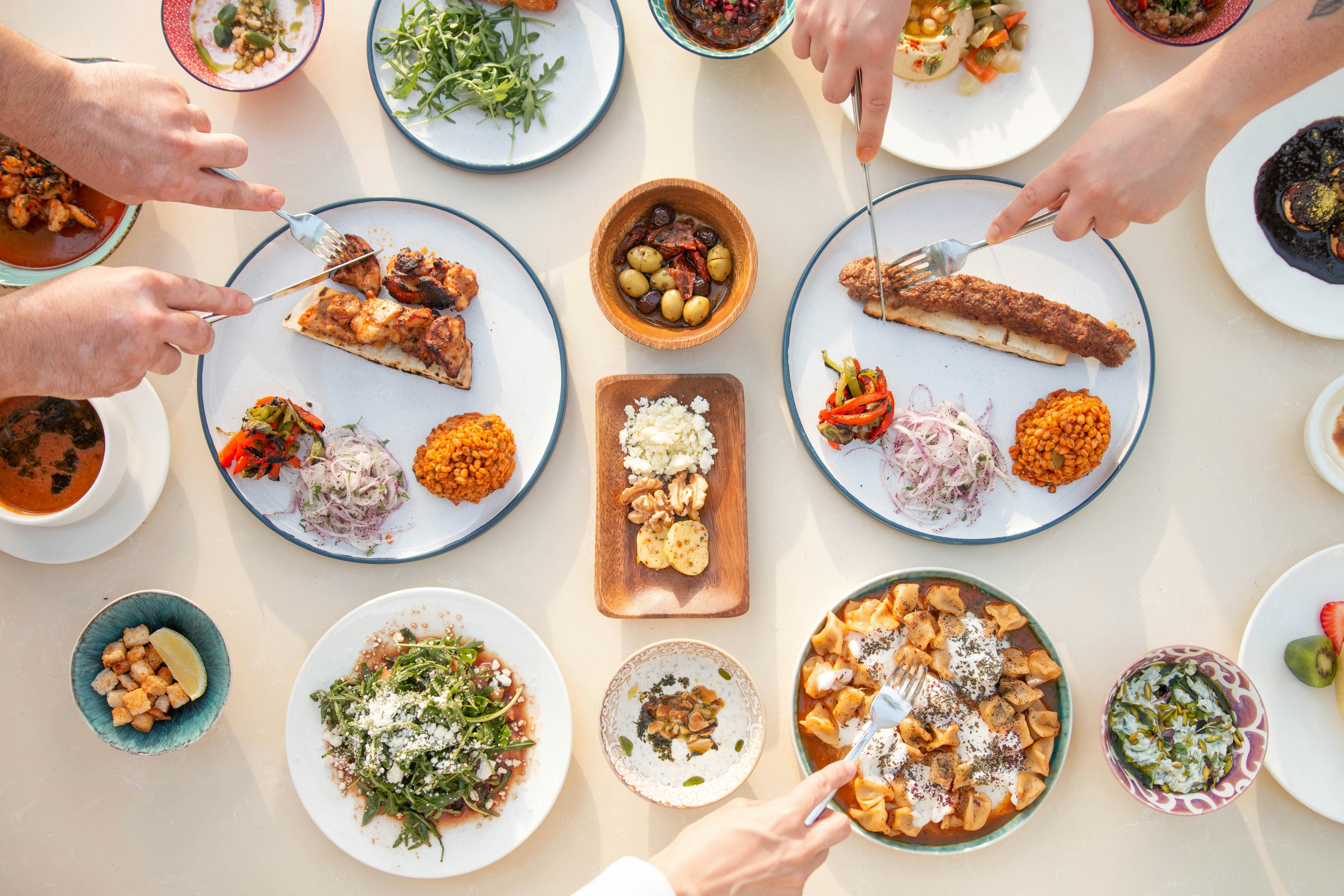
Bali is widely known for its beaches, cultural heritage, and vibrant tourism industry. However, for Muslim travelers and residents, the island can also be a comfortable place to observe Ramadan. Despite being a predominantly Hindu island, Bali offers accessible halal food options, mosques, and Muslim-friendly services.
This guide provides an overview of Ramadan in Bali along with recommended halal restaurants and practical tips for fasting on the island.
Understanding Ramadan
Ramadan is the ninth month of the Islamic lunar calendar. During this month, Muslims fast daily from dawn (Fajr) until sunset (Maghrib). Fasting includes abstaining from food, drink, and other physical needs throughout daylight hours.
The fast is broken at sunset with a meal known as iftar, while a pre-dawn meal called suhoor is consumed before the fasting period begins. Beyond physical fasting, Ramadan emphasizes prayer, self-discipline, charity, and spiritual reflection.
In Indonesia, Ramadan is widely observed across the country. Although Bali’s population is majority Hindu, Muslim communities live throughout the island, particularly in Denpasar, Kuta, and surrounding areas. As a result, halal food and places of worship are available.
What to Expect During Ramadan in Bali
Tourism activities continue as usual during Ramadan in Bali. Restaurants, attractions, and beaches remain open. However, Muslim-owned restaurants and halal establishments may adjust their operating hours to accommodate iftar and suhoor.
Mosques across Denpasar, Kuta, Nusa Dua, and Ubud hold Tarawih (night prayers) throughout Ramadan. Visitors who wish to participate will find welcoming communities.
Because Bali serves international travelers, many restaurants understand halal dietary requirements. Still, confirming ingredients and preparation methods is always recommended.
Best Halal Food in Bali
Finding halal food in Bali is relatively easy, especially in popular tourist areas. Below are recommended categories and establishments known for serving halal-friendly meals.
Indonesian Halal Restaurants
Warung Makan Nikmat (Kuta)
A well-known local eatery offering affordable Indonesian dishes such as fried chicken, beef rendang, vegetables, and rice plates. It is a practical choice for a simple and filling iftar.
Podomoro Halal Restaurant
Specializes in East Javanese cuisine, including rawon (black beef soup), soto ayam, and nasi campur. Suitable for those seeking traditional Indonesian comfort food.
Warung Muslim Moro Seneng
Serves home-style Javanese cooking with generous portions at reasonable prices. Popular among Muslim locals and visitors.
Middle Eastern and Turkish Restaurants
Al Jazeerah Signature (Kuta)
One of the most recognized Middle Eastern restaurants in Bali. Offers lamb mandi, kebabs, grilled meats, and Arabic rice platters. Suitable for group iftar gatherings.
Al Diwan Lebanese Cuisine
Provides Lebanese specialties such as hummus, shawarma, mixed grills, and mezze platters.
Turkish Halal Restaurants
Several Turkish-owned establishments in Kuta and Seminyak serve kebabs, pide, and traditional desserts. These restaurants are typically Muslim-owned and halal.
Indian, Pakistani, and Malaysian Cuisine
Bali also has a number of South Asian restaurants that serve halal-certified dishes, including curries, biryani, naan, and grilled meats. These can be good alternatives for both suhoor and iftar.
Halal Seafood Options
Seafood is a major part of Bali’s culinary identity. Some seafood restaurants accommodate halal preparation upon request. It is important to confirm that no alcohol-based sauces or non-halal ingredients are used.
Bale Udang is one example of a popular seafood restaurant where guests may request clarification regarding halal preparation.
Tips for Finding Halal Food in Bali
-
Look for halal certification signs displayed at the restaurant entrance.
-
Choose Muslim-owned restaurants when possible.
-
Ask staff directly about ingredients and cooking methods.
-
Check recent reviews from Muslim travelers online.
-
Stay in areas such as Kuta or Denpasar where halal options are more concentrated.
Supermarkets in Bali also sell halal-certified packaged food, making it easier to prepare suhoor in your accommodation if needed.
Observing Ramadan Comfortably in Bali
Fasting in Bali can be a unique experience. The island’s tropical climate means hydration during non-fasting hours is especially important. Planning meals in advance is recommended, particularly for suhoor.
Breaking the fast near sunset in Bali offers a peaceful atmosphere, especially in coastal areas. While the environment may differ from major Muslim cities, Bali remains accommodating for those observing Ramadan.
Conclusion
Ramadan in Bali is both manageable and meaningful for Muslim travelers. With a wide range of halal restaurants—from Indonesian warungs to Middle Eastern dining options—finding appropriate meals is not difficult.
Although Bali is not a Muslim-majority destination, its diverse population and strong tourism infrastructure make it accessible for Muslim visitors. With proper planning, fasting on the island can be spiritually fulfilling while still allowing travelers to enjoy Bali’s natural beauty and hospitality.
For travelers seeking a Muslim-friendly destination during Ramadan, Bali remains a practical and welcoming option.