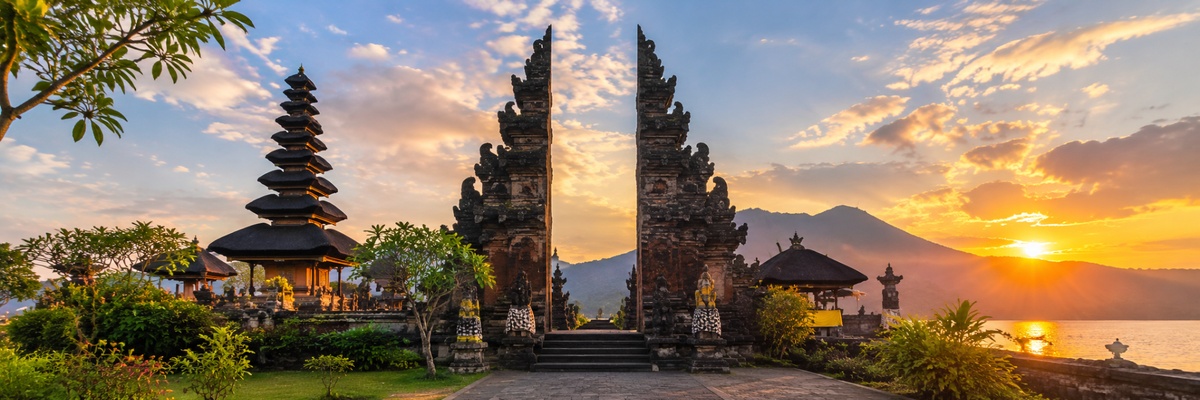
Bali Pushes Quality Tourism as the Island Looks Beyond Visitors Numbers
From Mass Tourism to Meaningful Experience
Bali is entering a new chapter in its tourism development. After
decades of being celebrated as one of the world’s most popular holiday
destinations, the island is increasingly focusing on quality
tourism rather than simply maximizing visitor numbers.
The shift reflects a growing awareness that rapid tourism growth
can bring both economic opportunities and significant pressure on
infrastructure, communities, culture, and the environment.
For
Bali, the challenge is no longer simply attracting tourists. It is creating a
tourism industry that delivers greater economic value while protecting the
island’s identity and natural resources.
Strong Visitors
Demand Creates New Opportunities
International demand for Bali remains strong. According to
Indonesia’s Statistic Agency, Bali welcomed 605,013 international tourist
arrivals in June 2026, representing a 4.63 percent increase from the
previous month. Travelers from Australia accounted for 25.90 percent of
international arrivals during the month.
These figures underline Bali’s continued popularity. At the same
time, they raise an important question: how can the island ensure that
tourism growth benefits communities without putting excessive pressure on its resources?
The answer increasingly lies in improving
the quality and value of tourism.
What Does Quality
Tourism Mean?
Quality tourism goes beyond the number of people visiting a destination.
It emphasize longer stays, higher-value experiences, responsible
spending, cultural respect, environmental awareness, and stronger participation
from local communities
Instead of measuring success only through tourist arrivals, Bali can also
consider how much visitors contribute to local businesses, how long they stay,
what experiences they participate in, and how responsibly they interact with
the destination.
This approach
could help Bali create a tourism economy that is more balanced and sustainable
in the long term.
Culture Remains Bali’s Greatest Asset
Bali’s cultural
identity remains at the heart of its international appeal.
Temples,
traditional ceremonies, Balinese dance, handicrafts, architecture, cuisine, and
local customs provide visitors with experiences that cannot easily be
replicated elsewhere.
A quality tourism
strategy therefore requires more than simply promoting these traditions. It
requires protecting the cultural environment that allows them to survive.
Visitors who
engage respectfully with local communities can contribute to cultural
preservation while gaining a deeper understanding of the island.
The island’s beaches, rice terraces, forests, mountains, and
marine ecosystems are among its most valuable tourism assets. However, these
resources can also face pressure from rapid development and high visitor
activity.
Quality tourism offers an opportunity to connect tourism
development with environmental responsibility.
Rather than treating sustainability as an additional feature of
tourism, Bali can make it part of the destination’s core identity.
Making
Tourism More Valuable for Local Communities
The benefits of tourism are most meaningful when they reach the
communities that support the industry.
Local restaurants, artisans, guides, transportation providers,
accommodation businesses, farmers, and creative industries can all play a
larger role in Bali’s tourism economy.
A quality-focused tourism model can encourage visitors to spend more
time and money within local communities, rather than
concentrating tourism activity around a limited number of major commercial
areas.
This could create a stronger connection between tourism growth and
regional economic development.
Infrastructure
Must Keep Pace With Growth
Quality tourism also depends on the quality of infrastructure.
Airports, roads, public transportation, waste management, water
systems, public spaces, and digital services all influence the visitor
experience.
Bali’s transportation sector has continued to handle significant
international traffic. In June 2026 alone, international flights from Bali
reached 3,084
departures, while international passenger numbers reached
650,838, according to BPS Bali.
These figures highlight both the strength of Bali’s tourism
connectivity and the importance of ensuring that infrastructure continues to
keep pace with demand.
A
More Balanced Vision for Bali
Bali does not necessarily need fewer tourists. Instead, the island
needs better-managed
tourism.
That means encouraging visitors who respect local culture,
supporting businesses that create value for communities, protecting natural
resources, and ensuring that infrastructure can accommodate tourism without
compromising residents’ quality of life.
The transition will not happen overnight. It requires cooperation
between government authorities, businesses, local communities, and travelers
themselves.
The
Future of Bali Tourism
Bali’s next stage of tourism development could ultimately be
defined by a simple principle: quality over quantity.
The island’s continued popularity provides an enormous economic
opportunity, but long-term success will depend on how responsibly that
popularity is managed.
If Bali can combine strong international demand with cultural
preservation, environmental protection, local economic participation, and
improved infrastructure, it can build a tourism model that is not only
profitable but also resilient.
For the island, the future of tourism may therefore be less about
becoming the destination with the most visitors—and more about becoming a
destination where every visitor creates greater value.
Bali’s tourism story is evolving from one of rapid growth toward
one of responsible and sustainable prosperity.