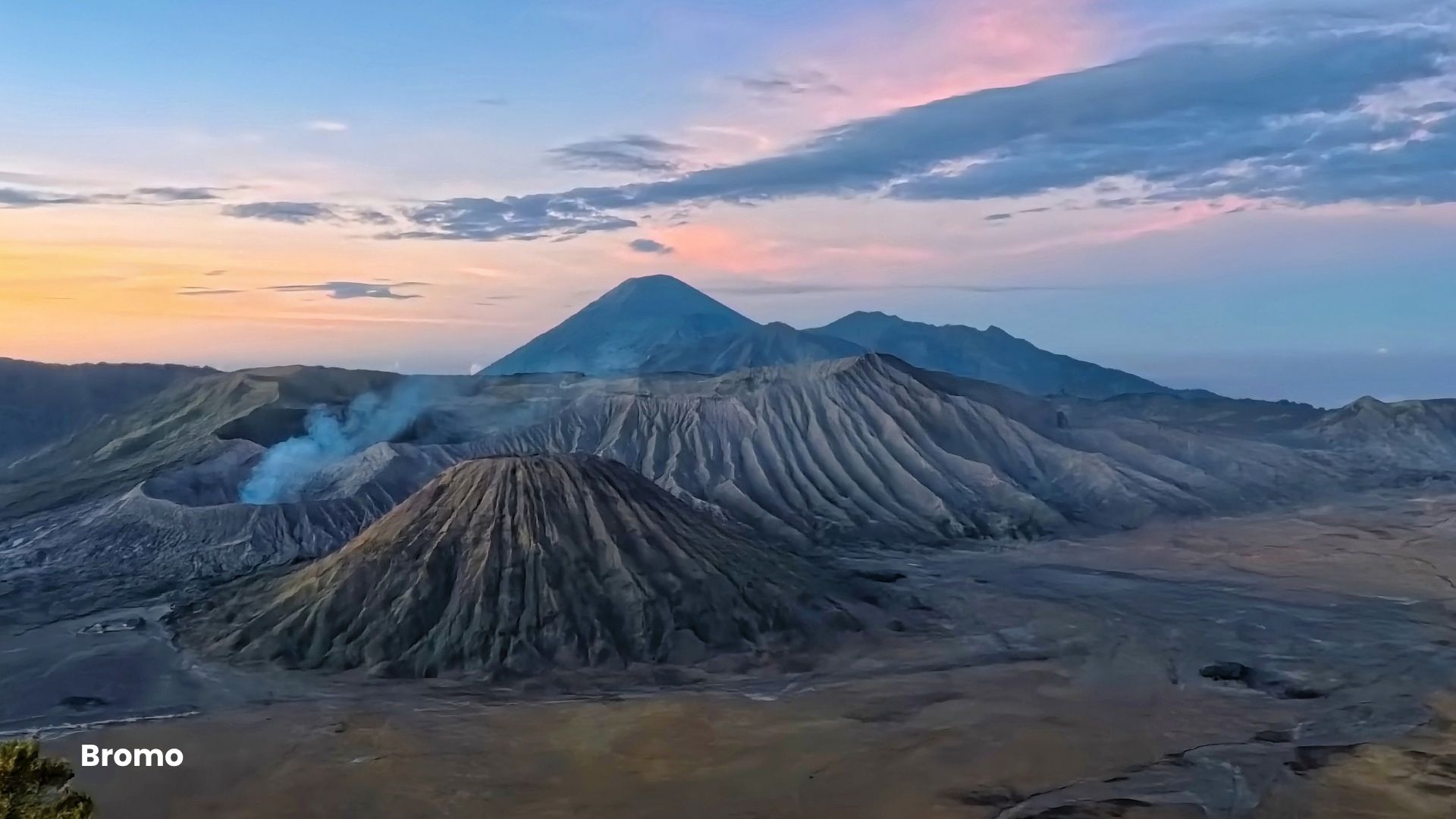
Tengger Caldera Trail Development: A Strategic Step to Restore the Bromo Ecosystem by 2025
The Tengger Caldera area is now in a crucial stage of strengthening environmental conservation efforts while enhancing sustainable tourism management. The plan for rearranging the Tengger Caldera Ring Road (JLKT) by the Great Hall of TNBTS (Bromo Tengger Semeru National Park) aims to maintain the ecological balance of nature and the culture of the Tengger community living around the area. This step is a response to the increasing pressure from mass tourism and vehicular activity that potentially damages the habitat of endemic plants like the Tosari orchid (Habenaria tosariensis) and the distinctive Bromo fauna.
The JLKT rearrangement process focuses on regulating the flow of vehicles and tourist activity zones without undertaking large-scale construction. The government will create specific vehicle lanes to avoid sensitive areas such as the sea of sand and savannah, reorganize vendor areas to more centralized locations, and provide basic facilities such as clean water sources and absorption wells. This approach prioritizes synergy between the local wisdom of the Tengger community and the principles of ecological conservation, thereby preserving the appeal of Mount Bromo while ensuring its sustainability.
The results of a discussion forum between the TNBTS management and local community leaders show an agreement that environmental preservation and tourism development must proceed in balance. With proper arrangement, it is expected that the natural ecosystem of the Tengger Caldera can gradually recover, while the spiritual and cultural activities of the local community remain protected. Besides preserving endemic flora and fauna, this policy also strengthens Bromo's image as an environmentally friendly and culture-based natural tourist destination.
The rearrangement of the Tengger Caldera Ring Road is a strategic step in creating a conservation-oriented tourism management model in Indonesia. With collaborative support from the government, local communities, and tourism industry players, this area will not only be able to maintain its natural beauty and cultural value but also provide a safer, more orderly, and long-term valuable tourist experience for visitors.